

Dota 2 Academy: from your first game to team play
Dota from scratch.
20 clear
steps.
One idea. A short exercise. A result you can check. A beginner course from controlling your hero to team play and reviewing your own match.
5 stages · independent practice · patch 7.41f context
Try it in-game.
0 / 20lessons marked by you
Mark a lesson after practicing. Your progress is saved in this browser.

Understand. Try.
Draw a conclusion.
Each lesson has a clear explanation, a decision diagram, an in-game example and an exercise. Your checkmark records your practice; you can return to any step.
- 01Name the action
What problem are you solving, and what should change?
- 02Check it in the client
In the tutorial, Demo Hero or a bot match.
- 03Choose one adjustment
Compare your intention with the result, then mark the lesson.

One lesson, one exercise
Explanation text
OOPS DOTA. Don’t try to learn all of Dota in one evening. Pick one lesson, try the exercise in the tutorial or against bots, and check the result. Mark the lesson after practicing: your progress stays in this browser. One clear adjustment beats ten guides that Rodya closed and forgot.
From your first click
to playing as a team.
Controls and objectives
Get comfortable in the client and understand the map, roles and abilities.
- 01READ ≈ 6 MINPRACTICE ≈ 8 MIN
Your first game: what are we actually trying to do?
Learn the match objective, controls and safe practice before your first game against people.
Lesson goalControl your hero and receive your first purchase from the courier.
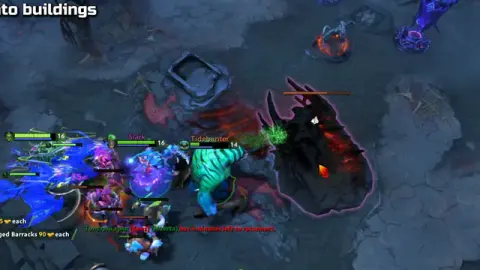
IN-GAME EXAMPLE - 02READ ≈ 6 MINPRACTICE ≈ 10 MIN
The map and match objective: from the fountain to the Ancient
Learn the lanes, river, towers and base; connect an action on the map to your team’s objective.
Lesson goalFind the main parts of the map and explain why your team advances along a lane.
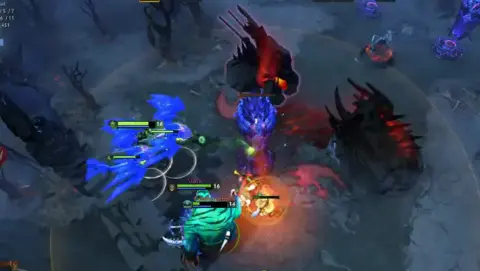
IN-GAME EXAMPLE - 03READ ≈ 6 MINPRACTICE ≈ 7 MIN
Positions 1–5: who does what on the map
Carry, midlaner, offlaner and two supports: roles explained through tasks and resource priority.
Lesson goalName your position, farm priority and one responsibility in lane.
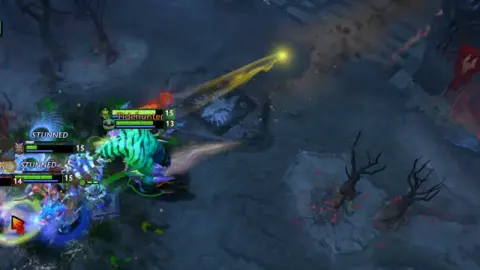
IN-GAME EXAMPLE - 04READ ≈ 6 MINPRACTICE ≈ 10 MIN
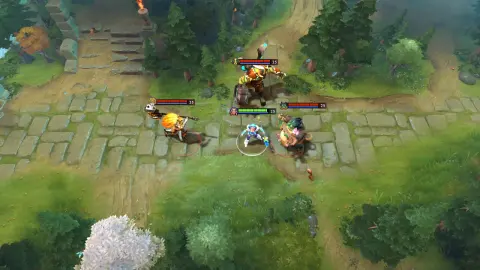
Your hero and abilities: understand your buttons
Tell a normal attack, an active ability, a passive effect and an ultimate apart.
Lesson goalUse one hero's abilities and explain their purpose, target and limitation.
IN-GAME EXAMPLE

Laning
Last hits, wave position and trades with a clear cost.
- 05READ ≈ 6 MINPRACTICE ≈ 8 MIN
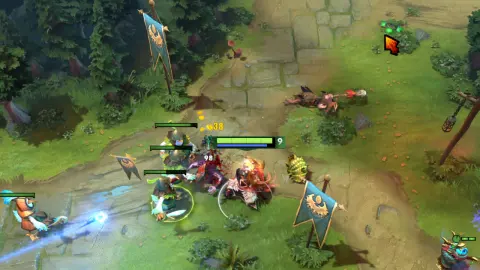
Laning: creeps, last hits and trades
How to earn gold in lane, avoid pushing without a reason and help your ally last hit.
Lesson goalRecognise the last-hit timing and notice how extra attacks move the wave.
IN-GAME EXAMPLE - 06READ ≈ 6 MINPRACTICE ≈ 12 MIN
Last hits and denies: practise the final attack
Learn to recognise last-hit timing and distinguish it from constantly attacking the wave.
Lesson goalDistinguish a last hit from a deny and compare two last-hit attempts using causes you can observe.
IN-GAME EXAMPLE - 07READ ≈ 6 MINPRACTICE ≈ 10 MIN
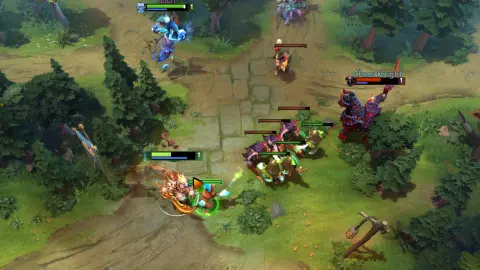
Lane position and aggro: where creeps meet
Understand how attacks, creep numbers and their attention change the safe area of a lane.
Lesson goalNotice wave movement and explain the effects of constant attacks and creep attention.
IN-GAME EXAMPLE - 08READ ≈ 6 MINPRACTICE ≈ 10 MIN
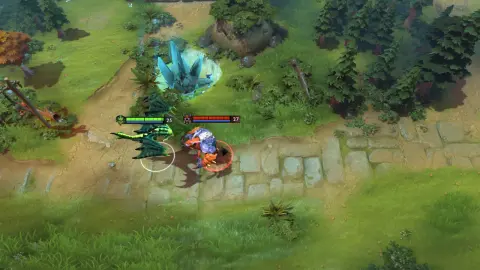
Lane trades: pressure with a clear cost
Distinguish useful harass from a chase that costs health, mana and creeps.
Lesson goalAssess one trade through resources, positioning and your ability to keep laning.
IN-GAME EXAMPLE
Items and resources
Purchases, regeneration, movement and working with creeps.
- 09READ ≈ 6 MINPRACTICE ≈ 7 MIN
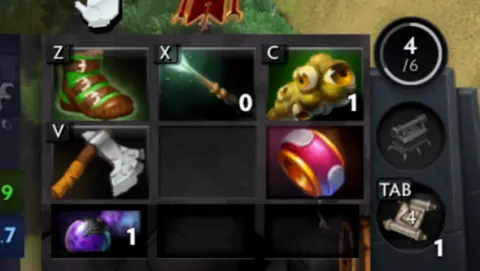
Items: buy for a purpose, not a picture
Consumables, boots, active items, the courier and a question to ask before an expensive purchase.
Lesson goalChoose a purchase for a purpose and prepare to use it.
IN-GAME EXAMPLE - 10READ ≈ 6 MINPRACTICE ≈ 10 MIN
Health and mana: stay in lane with resources
Distinguish regeneration, instant help and the point when you need to retreat.
Lesson goalChoose regeneration for your specific problem and use it under suitable conditions.

DOTA 2 / ITEM - 11READ ≈ 6 MINPRACTICE ≈ 10 MIN
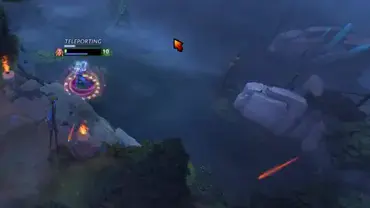
Boots and TP: move with a plan
Understand why movement speed and a teleport scroll matter before the chase begins.
Lesson goalCheck TP conditions and choose a safe destination for your task.
IN-GAME EXAMPLE - 12READ ≈ 6 MINPRACTICE ≈ 10 MIN
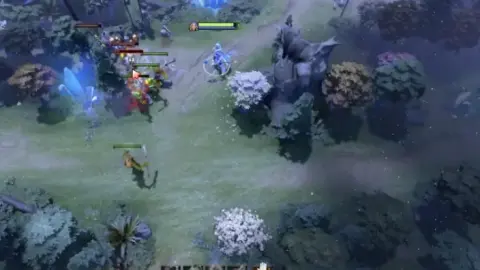
Pulls and stacks: why move creeps away?
The difference between a pull, a stack and a trip into the jungle that leaves your ally alone.
Lesson goalDistinguish a pull from a stack, then safely try one of each.
IN-GAME EXAMPLE
The map and its limits
Farming, vision, detection and what you can do while disabled.
- 13READ ≈ 6 MINPRACTICE ≈ 10 MIN
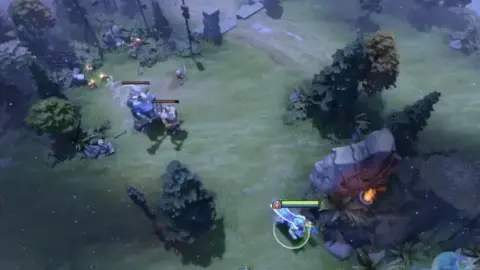
Neutral camps and farm: resources are never free
Distinguish a wave from the jungle, and account for time, health and the team's resource priorities.
Lesson goalChoose an available source of farm and explain the cost of leaving lane for the jungle.
IN-GAME EXAMPLE - 14READ ≈ 6 MINPRACTICE ≈ 8 MIN
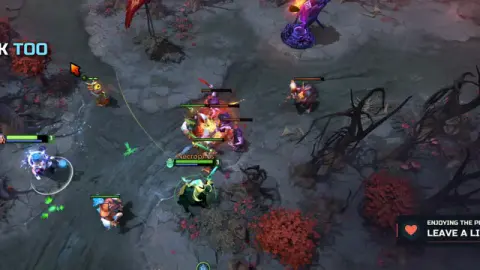
The map, vision and runes: see things sooner
Fog of war, high ground, Observer/Sentry and a purposeful trip for a rune.
Lesson goalPlace a ward for a specific question and avoid walking blindly up a ramp.
IN-GAME EXAMPLE - 15READ ≈ 6 MINPRACTICE ≈ 10 MIN
Wards and invisibility: vision and detection
Distinguish Observer, Sentry and Dust, and choose a tool for a specific question.
Lesson goalChoose between normal vision and revealing invisibility, and check the result of placement.

DOTA 2 / ITEM - 16READ ≈ 6 MINPRACTICE ≈ 8 MIN
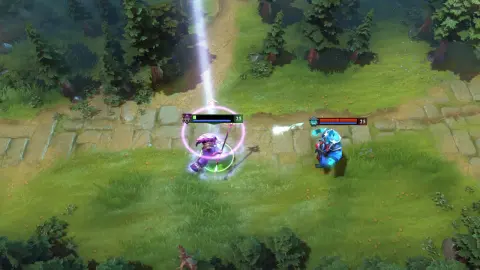
Damage and disables: why the button did not save you
Stun, root, silence, dispel and BKB: understand the effect first, then buy an answer.
Lesson goalDistinguish a disable's restrictions and choose an available action.
IN-GAME EXAMPLE

Your team and the next match
Defending, objectives, teamfights and one adjustment from your replay.
- 17READ ≈ 6 MINPRACTICE ≈ 12 MIN
Protection and dispels: what counters the disable?
Distinguish repositioning, removing an effect and a protective window; do not expect one item to do everything.
Lesson goalExplain the difference between a save, a dispel and protection, and choose a response to one effect.

DOTA 2 / ITEM - 18READ ≈ 6 MINPRACTICE ≈ 10 MIN
Objectives and timings: what to do after a good moment
Connect a ready ability, a new item and an enemy death with an available team objective.
Lesson goalChoose a team objective using information, resources and readiness, not only the fight's kill score.
IN-GAME EXAMPLE - 19READ ≈ 6 MINPRACTICE ≈ 10 MIN
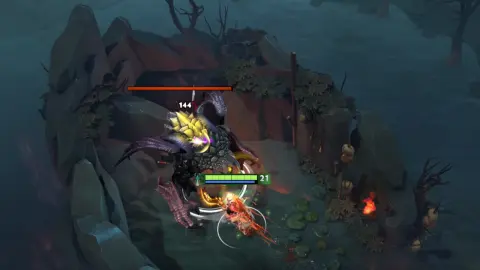
Your first teamfight: entry, exit, target
How to keep your hero alive until you use your abilities and turn a won fight into team movement.
Lesson goalChoose your first cast, position and action after the fight.
IN-GAME EXAMPLE - 20READ ≈ 6 MINPRACTICE ≈ 10 MIN
Replay and your next match: one mistake, one adjustment
Review a specific moment, separate the decision from execution and choose your next practice.
Lesson goalReview one moment from your match and record one testable adjustment.
IN-GAME EXAMPLE
The next level —
in your decisions.
4 standalone match breakdowns.
Choose a familiar situation.
Support positioning: help in time and stay in the fight
How to position before a fight, wait for your team to engage and stay ready for a second cast.
Explore the situation ↗Warding with a purpose: what do we want to see?
How to connect vision with your team’s movement and stop placing wards just because the spot is familiar.
Explore the situation ↗Teamfight won. Where do we go next?
How to choose your next move after a fight based on the lanes, your team’s resources and available objectives.
Explore the situation ↗A ten-minute replay review: one decision for your next game
A short review of one moment: pause before the action, check the information and choose a specific adjustment.
Explore the situation ↗
Tutorial videos are planned.
Practice is already here.
I want to expand these lessons with full videos explaining things in-game. They’ll appear here after publication. For now, you can choose to watch the released matches and Shorts, and practice the exercises in the client.