



One topic. One exercise.
How to keep your hero alive until you use your abilities and turn a won fight into team movement. I suggest understanding the action first, testing it in safe practice, and choosing one adjustment for your next match.
Look at your allies before going in
If allies are far away, your impressive jump may be a solo play. Check health, mana, important abilities and whether your team can get there.
As a support, it is often useful to stand where you can help the first ally without being hit by the same disable. You do not have to walk in first to take part in a fight.

Choose one job
Stopping a dangerous hero, saving an ally, providing vision or waiting for a damage window all count as participating. Choosing a task beforehand helps you avoid spending every button on the first enemy you see.
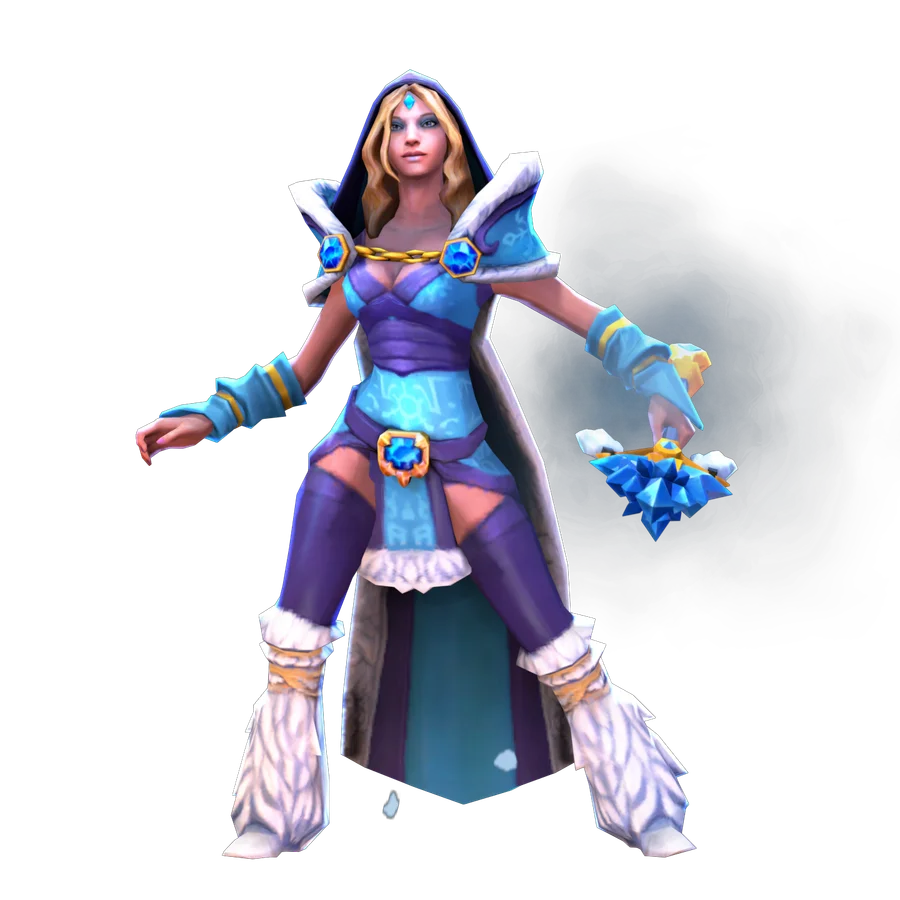
CM makes the cost of positioning especially clear: if you are interrupted immediately, your ultimate's potential damage stays potential. Watch which dangerous abilities the enemy has already spent.
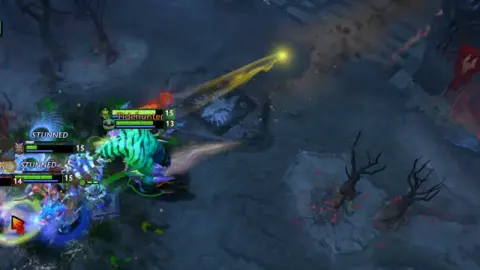 EXPLORE THE EXAMPLE ↗
In this match I play position four, but deal a lot of damage. My impact still depends on working with the team.
OOPS DOTA / Ruslan Ukrainskyi
Keep thinking after you win
You won the trade. Now check lanes, health, remaining enemies and the nearest available objective. Sometimes you can take a tower; sometimes you need to recover first.
In our matches, the story ends with a team push into the base. The kill counter explains part of the success, but buildings need a separate decision and joint action.
Plan your job before everything gets noisy
Choose one task for yourself: hold a target in place, protect an ally, deal damage or respond to an enemy initiation. Check where your allies are and how to leave after the first action. If roles are unclear, heroes may use powerful abilities on different targets and fail to support one another.
A published moment can show positioning and an action, but you need to assess the conditions of your own match again. After a fight, choose the next objective or retreat based on your remaining resources. Useful work does not have to end with you killing an opponent.
«Before a fight, I want to name my job. After it, I want to understand whether my chosen action helped the team.»
Ruslan Ukrainskyi · OOPS DOTA
- 01Find my allies
- 02Choose my job
- 03Plan my exit
- 04Move to the shared objective
Try it in the client.
Start a bot match or open one moment in your replay. You do not need to win the entire match for this check.
- 01
Before going in, name an ally who will follow up and an enemy who can stop you.
- 02
Choose a place for the first useful cast and a route back.
- 03
After acting, reassess distance, resources and whether you can help again.
- 04
After the fight, name the next objective: a building, a safe lane, vision or recovering resources.
How to tell whether it worked
In one moment, you can explain entry → action → exit → next objective. Keep one adjustment for the next game.
An enemy is nearby, but your allies are too far away to follow up your action. How do you prepare for the next fight?
Choose an action and read the explanation.
Tried it in-game?
Mark the lesson when you’ve done the practice. It’s your checkmark, not a skill grade.
Next lesson ↗Sources and context
An original beginner course by Ruslan Ukrainskyi. The learning path was prepared on October 6, 2026 for patch 7.41f; check exact values, object locations and interactions against the current client and Valve’s source. Illustrations have separate captions: our own recordings, official demonstrations and clearly marked historical examples.
Valve: short practice scenarios and a glossary (2021) ↗Valve: heroes and ability descriptions ↗Valve: current patch 7.41f notes ↗