


One topic. One exercise.
The fight is over, but the match continues. A tower, Roshan, a wave or a safe retreat each needs different preparation. I suggest looking for a window for your next action and explaining why it is available right now.
A timing is a condition that changes your options
A new upgrade, a key ability coming off cooldown or a temporarily absent opponent can open a window to act. But a purchase alone does not move the team to the right place. What matters is exactly what became possible and who is ready to use it.
A timing does not have to mean a fixed minute in the match. For example, getting Blink lets a hero start a fight differently. Name the new action and its conditions: vision, allies arriving, resources and a target. That helps you use the item instead of waiting for a magic number on the clock.
«For me, a good timing means a clear ‘we can do this now’, rather than just an attractive timestamp in a guide.»
Ruslan Ukrainskyi · OOPS DOTA
 EXPLORE THE EXAMPLE ↗
A new purchase unlocks a new action: the hero can now quickly get into position to initiate.
Valve · in-game item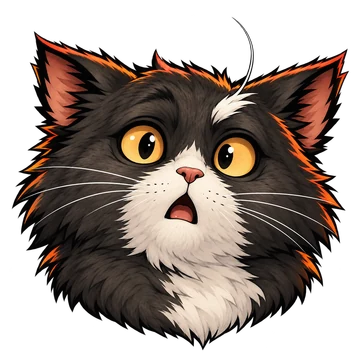
A tower requires the chance to approach and finish the job
If an allied wave is nearby and your team still has resources, a tower can be a useful follow-up. But chasing one hero can waste the available window and leave the building untouched. The decision depends on your position, not a habit of always choosing the same objective.
Before moving, name who deals damage, who watches the approach and when you stop the attempt. If the opponent returns, key abilities are unavailable or the wave disappears, conditions have changed. Retreating after part of the task can preserve the benefit you gained.
Roshan is a shared risk with a separate reward
Roshan is a neutral boss; do not treat him as another easy camp. Assess whether your team can finish the job quickly and whether the enemy can interfere. The map and objective location depend on the version, so check your route in the current client.
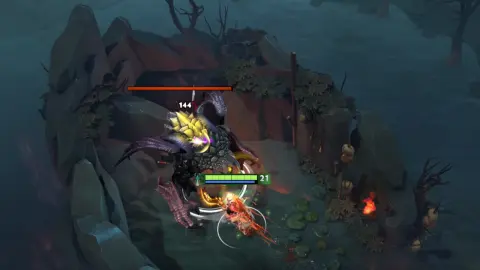
The image shows the boss himself and the approach. Aegis is one of the rewards, but having it does not decide the team's next move. Agree who will take the reward and what they intend to do afterwards first. We do not present a frame from one match as a universal Roshan plan.
 EXPLORE THE EXAMPLE ↗
Roshan is a large neutral boss. In this frame from my recording, Juggernaut attacks him in the pit: the boss, his red health bar and the entrance on the right are clearly visible. The pit's location depends on the map version.
OOPS DOTA / Ruslan Ukrainskyi · own Juggernaut recordingNot every window needs to become another fight
If your team has spent health, mana and important abilities, winning a fight may be a good moment to recover and take safe resources. You cannot judge readiness only by surviving portraits. A hero without a necessary ability may not be able to do their job in the next clash.
Before deciding, make a short list: who is alive, where the wave is, which enemies are visible, what you have ready and how to get out. Choose one objective rather than several competing routes. Afterwards, check whether you used the window and which signal required a change of plan.
- 01Notice a new window
- 02Check the team's readiness
- 03Choose one objective
- 04Change the plan when threatened
Try it in the client.
In a bot match or your own replay, find a moment after an enemy dies. Pause before the next move.
- 01
Name your heroes' remaining health, mana and key abilities that are ready.
- 02
Find the nearest wave and one available objective.
- 03
Check visible opponents and unknown approaches.
- 04
Choose a tower, Roshan, a wave or a retreat, and explain why you chose that task.
- 05
Name a signal that means you should stop or change the plan, then compare it with what happened.
How to tell whether it worked
You connect the next objective with conditions and can explain a useful retreat as well as a successful push.
After a fight, the team is alive but almost out of mana and key abilities. How should you choose what comes next?
Choose an action and read the explanation.
Tried it in-game?
Mark the lesson when you’ve done the practice. It’s your checkmark, not a skill grade.
Next lesson ↗Sources and context
An original beginner course by Ruslan Ukrainskyi. The learning path was prepared on October 6, 2026 for patch 7.41f; check exact values, object locations and interactions against the current client and Valve’s source. Illustrations have separate captions: our own recordings, official demonstrations and clearly marked historical examples.
Valve: short practice scenarios and a glossary (2021) ↗Valve: heroes and ability descriptions ↗Valve: current patch 7.41f notes ↗