



One topic. One exercise.
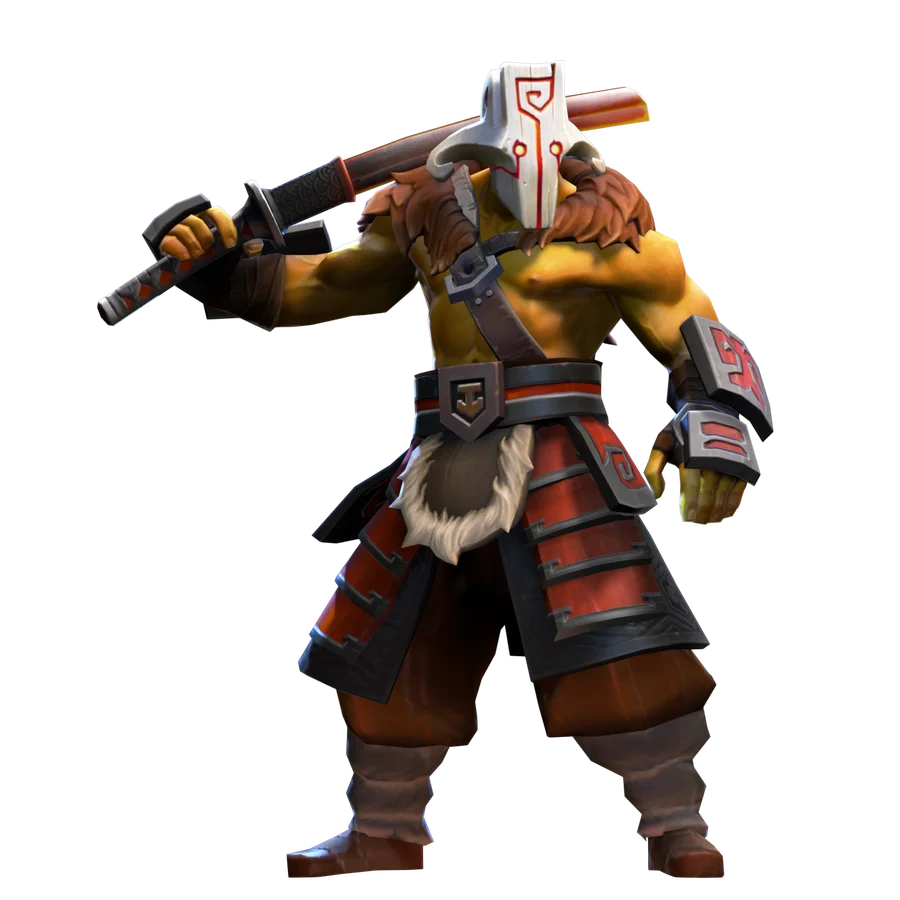
A lane can become dangerous without another enemy hero arriving: the creeps' meeting point only needs to move far from your tower. I suggest noticing that movement and understanding its cause before looking for a complicated trick.
The meeting point of two waves is part of your positioning
Where waves collide, you have a place to gain experience, last hit and trade attacks. If that point moves towards the enemy tower, the journey back to your own safe position gets longer. If creeps reach your tower, last-hitting conditions change too.
The position depends on the number and condition of surviving creeps, the damage dealt to them and heroes' actions. So ‘stay closer to your tower’ does not replace managing the wave. With constant extra damage, the lane can push forward even if your hero moves cautiously.
«First I look at where the wave is going. Then I decide whether I want to go with it.»
Ruslan Ukrainskyi · OOPS DOTA
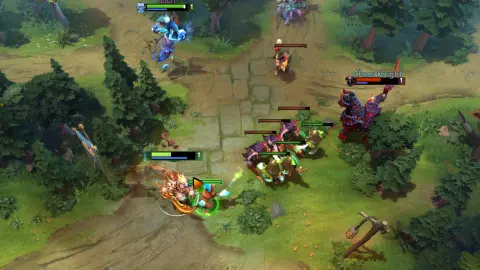 EXPLORE THE EXAMPLE ↗
A group of creeps in lane is a wave. Watch where it moves after the clash.
OOPS DOTA / Ruslan Ukrainskyi · own Juggernaut recording
Last hits and constant attacks produce different results
The final attack secures the last hit. Extra attacks make targets die faster and can change the balance of the waves. That can be useful for pressure or setting up another action, but should not happen accidentally every time.
Compare two waves under similar conditions: attack one actively and focus on last hits for the other. See where the next wave meets. Do not declare a universal rule from one attempt: the enemy, your ally and the tower can all change the picture.
Aggro is creep attention you can observe
Creeps choose a target and direct their attacks at it. That attention is called aggro. A hero's action near a wave can make them take extra damage and change creep movement. Watching the creeps turn towards a target is more useful than ignoring small hits.
In the exercise, watch who the creeps are targeting and what changes after your action near an opponent. Check trigger rules and delays in the current game; here we are learning to recognise the change of target itself, rather than memorising a guessed timer.
EXPLORE THE EXAMPLE ↗Watch whom the creeps turn towards and where their attacks go. That attention is what players call aggro.
OOPS DOTA / Ruslan Ukrainskyi · own Juggernaut recordingNot every lane needs to be held the same way
Sometimes the task is to last hit comfortably; sometimes it is to send the wave towards a tower and free up time. Pulling, dealing more damage to the wave and leaving the lane all affect your ally. You cannot choose an action by its name alone: decide where you want the next waves to meet and who will stay in lane first.
If the lane is already dangerous, you do not need a heroic run for every creep. Compare the loss of one last hit with the risk of dying and missing the next wave. Deliberately giving up some resources can be more useful than continuing your usual movement without information.
- 01Notice the meeting point
- 02Count surviving creeps
- 03Check unnecessary attacks
- 04Change how I manage the wave
Try it in the client.
Choose a simple lane in a bot match. Watch the creeps' meeting point in relation to the nearest tower.
- 01
Note where the first wave met and who is currently taking creep attacks.
- 02
Attack enemy creeps frequently for one wave; see how many allied creeps remain.
- 03
On the next attempt, limit yourself to last hits and compare where the new wave meets.
- 04
Near an opponent, watch how creeps turn towards their chosen target after heroes act.
- 05
Say which lane position is more comfortable for your current task and why.
How to tell whether it worked
You can point out where the creeps meet, notice it moving and name at least one possible cause.
The lane keeps moving towards the enemy tower, although you want to farm comfortably closer to your own. What should you check?
Choose an action and read the explanation.
Tried it in-game?
Mark the lesson when you’ve done the practice. It’s your checkmark, not a skill grade.
Next lesson ↗Sources and context
An original beginner course by Ruslan Ukrainskyi. The learning path was prepared on October 6, 2026 for patch 7.41f; check exact values, object locations and interactions against the current client and Valve’s source. Illustrations have separate captions: our own recordings, official demonstrations and clearly marked historical examples.
Valve: short practice scenarios and a glossary (2021) ↗Valve: heroes and ability descriptions ↗Valve: current patch 7.41f notes ↗