



One topic. One exercise.
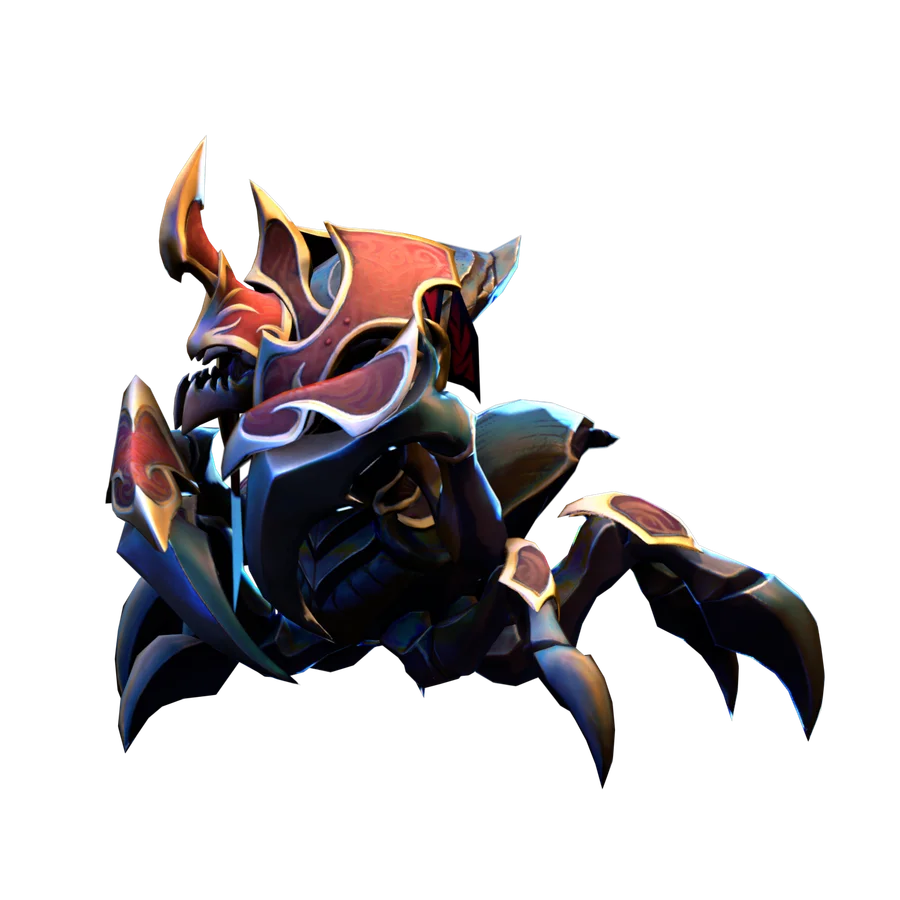
Fog of war, high ground, Observer/Sentry and a purposeful trip for a rune. I suggest understanding the action first, testing it in safe practice, and choosing one adjustment for your next match.
Not visible does not mean empty
Vision is the information your team has about an area of the map. Fog of war hides events where you lack vision; trees, height differences and night affect what a hero can see.
A ramp is a slope up to high ground. Chasing onto enemy high ground without information is dangerous: the opponent may see you first. Check your allies and an available way to gain vision before going.
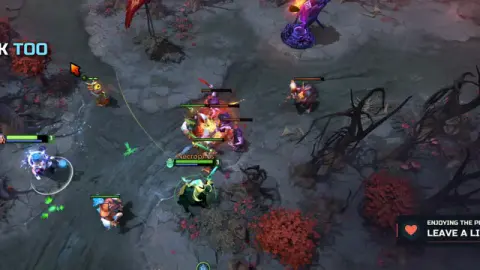 EXPLORE THE EXAMPLE ↗
Look at the visible area and dark parts of the map: no opponent in the frame does not mean nobody is nearby.
OOPS DOTA / Ruslan Ukrainskyi
Two wards, two different jobs
Observer Ward provides normal vision. Sentry Ward helps detect invisible objects and units within its area when visibility conditions are met; it does not replace normal map vision.
Place a ward for an action: entering the enemy jungle, protecting farm or approaching an objective. Before placing it, ask yourself who you want to see and why. The same cliff is not right for every situation.

A rune is not worth the whole lane
Runes provide different resources and buffs, such as regeneration or a temporary advantage. Watching the timer helps, but your trip should account for the lane, enemies and support.
Warn your team before leaving. If opponents are missing, do not walk in alone to check the spot. Check rune types, locations and schedules in the current client: the map changes with patches.
Gather information for your next route
Vision is useful through the decision your team is preparing to make. Before moving towards a rune, camp or ramp, ask which approaches you can see and which enemies have been missing for a while. An opponent disappearing from lane does not prove they took one particular route.
A rune costs time and the position you leave behind. If an ally cannot survive the lane alone or the approach is blocked, a small resource can cost too much. Assess conditions first, then choose your path and a way to return safely.
«A dark area is not an invitation to guess. It is a reason to ask how to gather information safely.»
Ruslan Ukrainskyi · OOPS DOTA
- 01Cannot see the opponents
- 02Check the map and allies
- 03Gather information
- 04Choose a safe path
Try it in the client.
Choose one safe map area in practice. Before placing a ward, state who or which route you want to see.
- 01
Find the low ground, ramp and high ground. Compare the vision available.
- 02
Place an Observer Ward and check which question its vision actually answers.
- 03
Find the nearest rune and see which routes lead to it; check the exact timer in the client.
- 04
Before crossing fog, name a missing enemy and a possible retreat route.
How to tell whether it worked
You explain the ward's purpose and can name an area where you still lack information.
The visible edge of a ramp is empty, but there is fog beyond it and two enemies are missing. What do you know?
Choose an action and read the explanation.
Tried it in-game?
Mark the lesson when you’ve done the practice. It’s your checkmark, not a skill grade.
Next lesson ↗Sources and context
An original beginner course by Ruslan Ukrainskyi. The learning path was prepared on October 6, 2026 for patch 7.41f; check exact values, object locations and interactions against the current client and Valve’s source. Illustrations have separate captions: our own recordings, official demonstrations and clearly marked historical examples.
Valve: short practice scenarios and a glossary (2021) ↗Valve: heroes and ability descriptions ↗Valve: current patch 7.41f notes ↗Valve: current Sentry Ward description ↗