


One topic. One exercise.
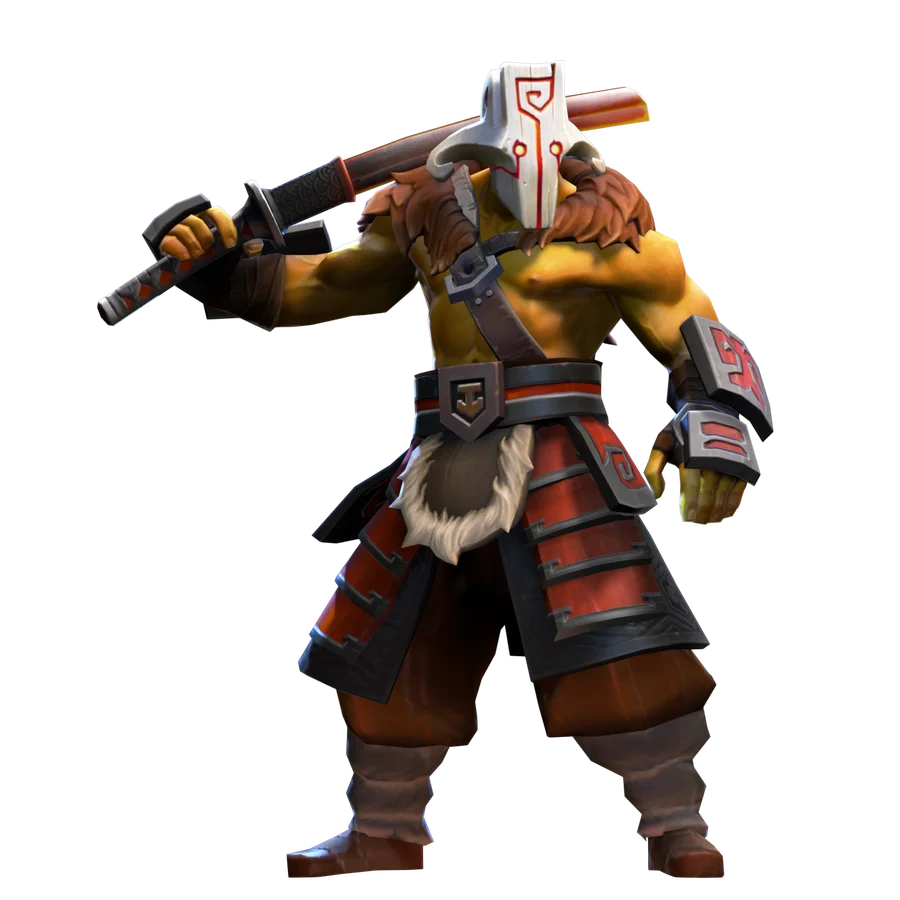
Carry, midlaner, offlaner and two supports: roles explained through tasks and resource priority. I suggest understanding an action first, trying it in safe practice, then choosing one adjustment for your next game.
The number is a priority, not a player rating
Positions 1–5 usually describe farm distribution. The first gets high priority for resources; the fifth often plays with less gold. A hero’s strength also depends on levels, abilities and the situation.
Carry is usually the first position, midlaner the second and offlaner the third. The fourth and fifth are supports. A role does not forbid you from getting a kill, but helps decide who needs safe farm more right now.

The safelane does not promise an easy life
Safelane is the usual name for the safer lane, where the first position normally plays with the fifth. Offlane, the harder lane, is home to the third and fourth positions. Mid is the central lane, often played one on one.
The lanes are mirrored on the two sides of the map. Confirm your role and lane with the team before starting: unusual picks and lane swaps are possible, and a silent assumption creates conflict.
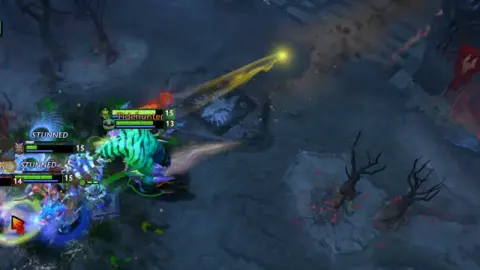 EXPLORE THE EXAMPLE ↗
In this match I play position four, but deal a lot of damage. My impact still depends on working with the team.
OOPS DOTA / Ruslan Ukrainskyi
What to do when a support is having a good game
Getting resources and becoming stronger is useful. Keep solving the team’s problem: help with vision, attend the right fight and do not take an ally’s safe lane without a reason.
Our Viper with 19 kills is an example of an extra threat on the team. It is the story of one match, not a promise that every position-four hero should build for damage.
Agree on the task before leaving your lane
Positions reflect an agreement about resources and teamwork. A hero can have different roles, but a different budget changes purchase order and expectations of their actions. First decide who needs the resource here and who creates the opportunity to get it.
Before leaving for another area, check whether your ally can stay alone. A rune, pull or help on a nearby lane is not automatically useful. If your work leaves an ally under immediate threat, choose a different moment or warn them.
«For me, a support’s task starts with asking what useful action an ally can take with me nearby.»
Ruslan Ukrainskyi · OOPS DOTA
- 01Clarify my role
- 02Agree on resources
- 03Choose a useful task
Try it in the client.
Choose a support and imagine a simple lane pair: you and an ally with higher farm priority.
- 01
Say who mainly last hits creeps in this pair.
- 02
Find one action that can help them keep their health or their place in the lane.
- 03
Name a situation where you can take available farm yourself without depriving an ally of resources they need.
- 04
Before a match, check that your role is agreed with the team.
How to tell whether it worked
You explain your position through tasks and resources, not a ban on kills or a requirement to stay poor.
You are playing position four, and your allied core is heading for a safe wave. Two other tasks are available nearby. How do you choose what to do?
Choose an action and read the explanation.
Tried it in-game?
Mark the lesson when you’ve done the practice. It’s your checkmark, not a skill grade.
Next lesson ↗Sources and context
An original beginner course by Ruslan Ukrainskyi. The learning path was prepared on October 6, 2026 for patch 7.41f; check exact values, object locations and interactions against the current client and Valve’s source. Illustrations have separate captions: our own recordings, official demonstrations and clearly marked historical examples.
Valve: short practice scenarios and a glossary (2021) ↗Valve: heroes and ability descriptions ↗Valve: current patch 7.41f notes ↗