


The word ‘support’ does not hand you a ready-made to-do list. Two supports may both wait for the other to place the ward. Very team-oriented waiting.
The role number is an agreement about resources
Positions one through five usually describe the team's farm priority order. Position four and position five are the two support roles. This helps agree who receives available resources first and which tasks they take on.
The number does not mean supports are forbidden from last hitting creeps. If no ally can take a safe wave, it can fund a useful item. The question is who needs that farm now and what is happening nearby.

Position five: make the lane playable
In the usual arrangement, position five starts beside the carry. What matters to me is giving my ally a playable lane: trading, spotting danger and avoiding unnecessary interference. Sometimes I need to protect; sometimes we pressure together.
Before leaving, I check whether the ally can stay alone. If my hero goes to ‘help the map’ and the lane immediately becomes unplayable, I should reconsider the departure timing. Being busy as a support does not in itself mean helping.
Position four: movement needs follow-up
Position four often starts in the offlane and looks for opportunities to join other lanes. But walking along the river does not become useful just because of the role number. A move needs a clear target, a ready ally and a reason to leave the previous position.
For example, an ally can follow up the control while our lane partner remains in an acceptable situation. Then moving makes sense. Without those conditions, helping in your own lane is real work too.
 EXPLORE THE EXAMPLE ↗
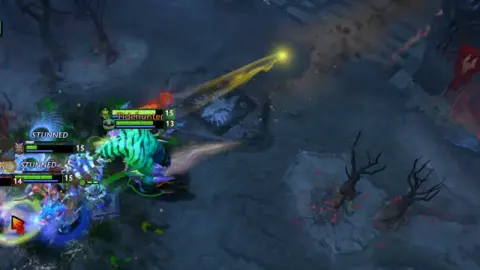
In this match I play position four, but deal a lot of damage. My impact still depends on working with the team.
OOPS DOTA / Ruslan UkrainskyiReassign tasks in the mid game
After the lanes, a specific agreement is more useful: who brings vision, who covers the farming hero and who goes with the initiator. Discuss purchases and movement according to heroes' capabilities and the next objective. Two supports may need different things from the same map area.
Before the next move, exchange short calls:
- ‘I'll go with you to place vision.’
- ‘I need this safe wave for my item.’
- ‘I'll stay nearby while you last hit.’
- ‘I can join when you're ready to start.’
Sources and context
This is my approach to reviewing decisions. I check game data against the current patch and distinguish practice scenarios from events in my own match.
Ruslan: on OOPS DOTA support stories ↗